Walking Through Healing: A Different Way to Experience Therapy
Written by Amy Bartja (MSW Intern)
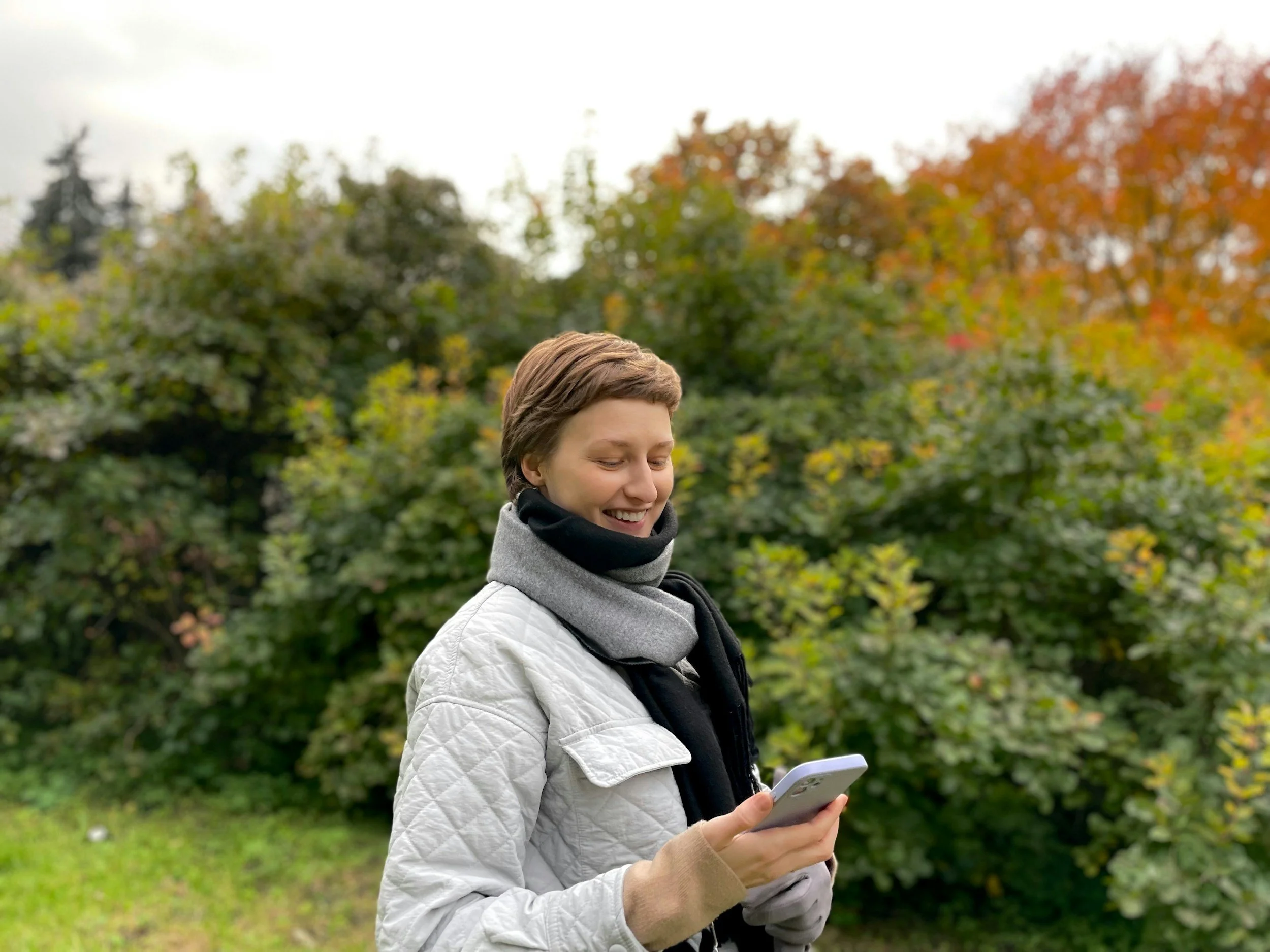
Walk and Talk Therapy is one of the types of individual counselling services we offer for clients.
When many people think of therapy, they picture sitting in a quiet office, face-to-face with a therapist. While this traditional format works well for many, it’s not the only way therapy can happen. At Choosing Health Counselling, we also offer a slightly different approach as an option: Walk and Talk Therapy conducted over the phone, where the client and therapist connect from their own environment while walking in a space that feels comfortable and safe to them. This approach combines the benefits of movement, familiar surroundings, and meaningful conversation, fostering a therapeutic experience that feels both grounded and flexible.
What is Walk and Talk Therapy?
Walk and Talk Therapy, in this format, involves connecting with your therapist by phone while you walk independently in a location of your choosing. This might be around your neighbourhood, on a quiet trail, or even pacing indoors!
Although the setting looks different, the core of therapy remains the same. Sessions are still guided by evidence-based approaches, thoughtful reflection, and a strong therapeutic relationship. The difference is simply where and how the conversation happens.
"In every walk with nature, one receives far more than he seeks"
- John Muir
Why Combine Walking and Therapy?
Reduced Anxiety, Depression, and Post-Traumatic Stress Symptoms
Engaging in light movement, such as walking, has well-established mental health benefits. Physical activity supports the release of endorphins (often referred to as “feel-good” hormones) while also helping to lower stress hormones like cortisol. Over time, this can contribute to reductions in symptoms of anxiety, depression, and post-traumatic stress.
Movement Can Support Emotional Regulation
Walking involves a natural bilateral rhythm (alternating left-right movement), which can support grounding and nervous system regulation. When combined with being in a comfortable or familiar environment, this can help clients feel more settled, creating space to process emotions and engage with difficult experiences.
It Can Feel Less Intense
Traditional face-to-face therapy can feel vulnerable or overwhelming. Walk and Talk Therapy can reduce the pressure that sometimes comes with direct eye contact and sitting still in a structured setting. For individuals who feel restless or anxious in more formal therapy spaces, this format can offer a greater sense of ease and flexibility.
A Sense of Comfort, Control, and Connectedness
Engaging in therapy from a self-selected environment can increase feelings of autonomy and safety. Clients have more control over their surroundings, which can support a greater sense of comfort. This format can also feel more collaborative, as it reduces the sense of hierarchy that may feel present in traditional therapy settings and fosters a more open, connected dynamic.
Helping You Feel “Unstuck”
There is something powerful about physically moving while working through emotional challenges. Walking can support cognitive flexibility, making it easier to explore new perspectives, problem-solve, and shift out of feeling “stuck” in patterns of thinking or emotion.
Improved Self-Awareness, Self-Acceptance, and Freedom of Expression
Many clients find that walking creates space for thoughts and feelings to surface more naturally. This can support deeper self-awareness and reflection, while also making it easier to express emotions openly. Over time, this process can foster greater self-acceptance and a stronger connection to one’s internal experiences.
“A walk in nature walks the soul back home”
- Mary Davis

Walking in nature isn’t just “nice”—it has measurable, meaningful effects on mental health.
Who Might This Approach Be Helpful For?
Phone-based Walk and Talk Therapy may be a good fit for individuals who:
Feel more comfortable talking while moving rather than sitting still
Experience anxiety or restlessness in traditional therapy settings
Enjoy being outdoors or incorporating movement into their routine
Are curious about therapy but don’t want a clinical setting
Prefer the flexibility of connecting from their own space
Specific Populations:
Men: For some men, traditional therapy can feel unfamiliar or uncomfortable, particularly given societal expectations around emotional expression. Engaging in therapy while walking can feel less formal and more approachable, which may support openness and ongoing engagement in the process.
Adolescents and Teens: This format can feel more natural and less intense for youth. The reduced pressure of eye contact and the side-by-side nature of walking can make conversations feel less confrontational, while also allowing space for pauses and reflection.
Overall, this approach can be especially helpful for individuals who find that movement supports their ability to think, reflect, and express themselves more freely.
What Does a Session Look Like?
Sessions typically begin with a brief check-in, just like any other therapy appointment. This is a space to ground yourself, share what’s been coming up, and set a direction for the session. From there, you and your therapist move into conversation while you walk at your own pace.
This flexible format allows you to choose a setting that feels right for you. Whether that’s your neighbourhood, a nearby trail, your backyard, or even indoors. You will connect with your therapist by phone, creating space to move freely while staying supported.
All you need is a phone, headphones or earbuds, and a space where you can speak openly (and don’t forget comfortable shoes and weather-appropriate clothing!). This approach can be especially helpful for those with busy schedules, limited transportation, or those connecting from outside of Mississauga who want the benefits of movement-based therapy.
Things to Consider:
While this format can be very supportive, it may not be the best fit for everyone. It’s important to consider:
Privacy: Choose a space where you feel comfortable speaking openly, without concern about being overheard
Safety: Be aware of your surroundings and pre-select a route that feels safe and manageable
Accessibility: Adap the approach if walking outdoors isn’t feasible. This might include walking indoors, sitting outside, or finding another setup that feels right
A Flexible Approach to Care
Therapy doesn’t have to look one specific way to be effective. For many people, combining movement with conversation creates a very natural, comfortable, and engaging experience.
Walk and Talk Therapy by phone offers a way to integrate emotional support into your everyday environment. Your therapist will meet you where you are, both physically and emotionally.
If you’re curious about whether this approach might be a good fit for you, we’re happy to explore that together. Book a consult call or your first walk and talk session with one of our Walk & Talk Therapists to get started!